LATEST NEWS
Vegan Culinary News
COMIDAS DELICIOSAS
Nuestras recetas son increíblemente sabrosas y sencillas de preparar. Se han invertido años de dedicación en desarrollar platos con un sabor irresistible y sencillo, garantizando que cualquier persona pueda preparar comidas deliciosas para su vida diaria.
All About Walnuts
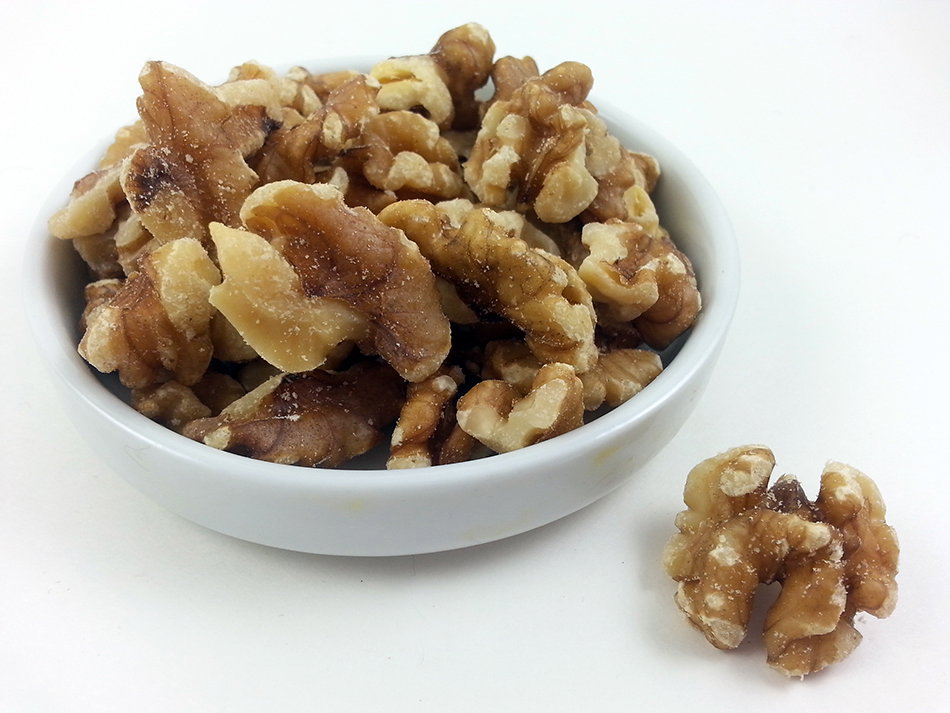
Growing up, I lived on a 1-2 acre plot of land that had multiple black walnut trees. I remember as a child finding fallen walnuts (or what I called “wonuts”), cracking them open with a hammer, sometimes smashing my fingers in the process, and then eating the walnut meat fresh from the source. There aren’t many people who are fortunate enough to have grown up with this amenity, and I for one, am thankful as it gave me an appreciation for nuts.
Walnuts
Walnuts are round stone fruits containing a single seed, which comes in the form of two halves. The most common types are English walnuts (juglans regia) originating from Persia, and Black walnuts (juglans nigra), which are native to eastern North America. The most commercially available walnut, however, is typically a hybrid of the English walnut, due to its ease of harvesting. When ready to harvest, the walnuts’ hulls break open, exposing the dark shell inside.
Walnuts are becoming increasingly popular with over 3 million metric tons being produced in 2012 alone. The year’s top five producing countries, in descending order, were: China, Iran, United States, Turkey and Mexico (source).
With a softer texture similar to pecans, walnuts resemble the shape of a brain. This is no coincidence as walnuts provide brain boosting benefits by contributing antioxidants, B vitamins, monounsaturated fat and vitamin E. Perhaps the most commonly toted benefit of walnuts, however, is their hefty dose of 20.8g Omega-3 and 86.4g Omega-6 fatty acids per cup (source).
1 cup shelled walnut halves contain the following daily values:
12% Potassium
28% Dietary fiber
30% Protein
9% Calcium
16% Iron
25% Vitamin B6
39% Magnesium
Newsletter
Receive our latest handpicked recipes directly in your email
This information is presented for educational purposes only. It is not intended as a substitute for the diagnosis, treatment, or advice of a qualified, licensed medical professional. The facts presented are offered as information only, not medical advice, and in no way should anyone infer that we are practicing medicine. Seek the advice of a medical professional for proper application of this material to any specific situation. These statements have not been evaluated by the Food and Drug Administration. Any product mentioned or described on this website is not intended to diagnose, treat, cure, or prevent any disease. We recommend that you do your own independent research before purchasing anything.
This website and all of its content—including recipes, texts, images, graphics, and materials—are protected by copyright. Any reproduction, distribution, modification, or unauthorized use of the presented materials is strictly prohibited without the express permission of Chef Gaby Oliveira.

Copyright © 2025 | All rights reserved.
Privacy Policy
Terms of Use